
Clava Cairns and its Bronze Age burial monuments
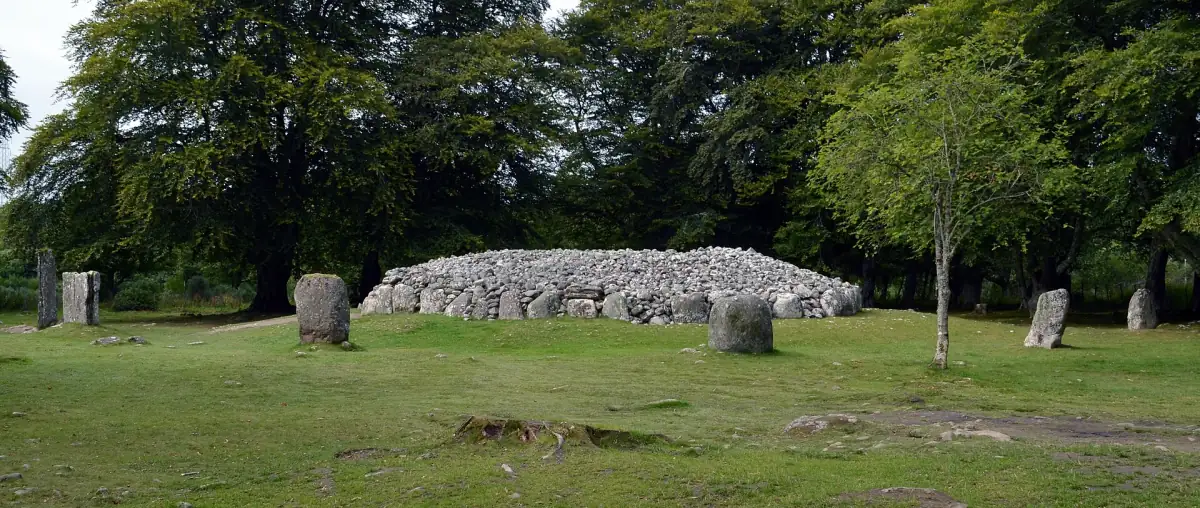
Clava Cairns is a Bronze Age burial site with three large cairns dating to around 2000 BC. The monuments were used again roughly 1,000 years later, with smaller additions. The standing stones and low stone structures belong to that prehistoric story, long before the Battle of Culloden.
Clava is free to visit and open throughout the year. It makes sense to consider the cairns alongside a trip to nearby Culloden, while keeping their meaning separate. The battlefield's graves commemorate people who died in the eighteenth-century conflict; the cairns introduce a much older landscape of burial and reuse. Reading about both before travelling helps make each stop more than a photograph of stones.
Access and the turn from the B9091
Clava Cairns is signposted from the B9091, with the turn located about 274 metres east of Culloden Battlefield. That measurement locates the junction; use a route to the cairns themselves when planning the full journey. In particular, do not use the junction distance as the walking distance from the visitor centre entrance.
The approach road has a 17-tonne weight restriction, and there are car and coach parking spaces at the site. For a combined day, plan the transport between the two places as a separate leg. Walking needs its own route assessment rather than an assumption that nearby landmarks are linked by a continuous visitor path. The Culloden arrival guide explains the wider approach from Inverness.
A multi-day trip to Clava Cairns
This Edinburgh departure includes Clava Cairns on the third day of a longer Highlands trip.
Hand-picked tours, booked through GetYourGuide. Prices are indicative starting prices in euros (as of November 2026). Tap a tour for live availability and the current price in your currency.
Clava and Culloden on a three-day Edinburgh trip
The three-day Highlands and Skye route visits both places on day three; transport and a driver-guide are included, with two Inverness nights booked separately.
Combining Clava Cairns with Culloden
Culloden and Clava Cairns can be planned together, with separate attention to the museum and the journey between sites. Culloden's field opens daily throughout the year, while its visitor centre has building hours. If the exhibition matters to the day, fit that indoor visit around its closing time rather than treating all parts of the outing as having the same schedule.
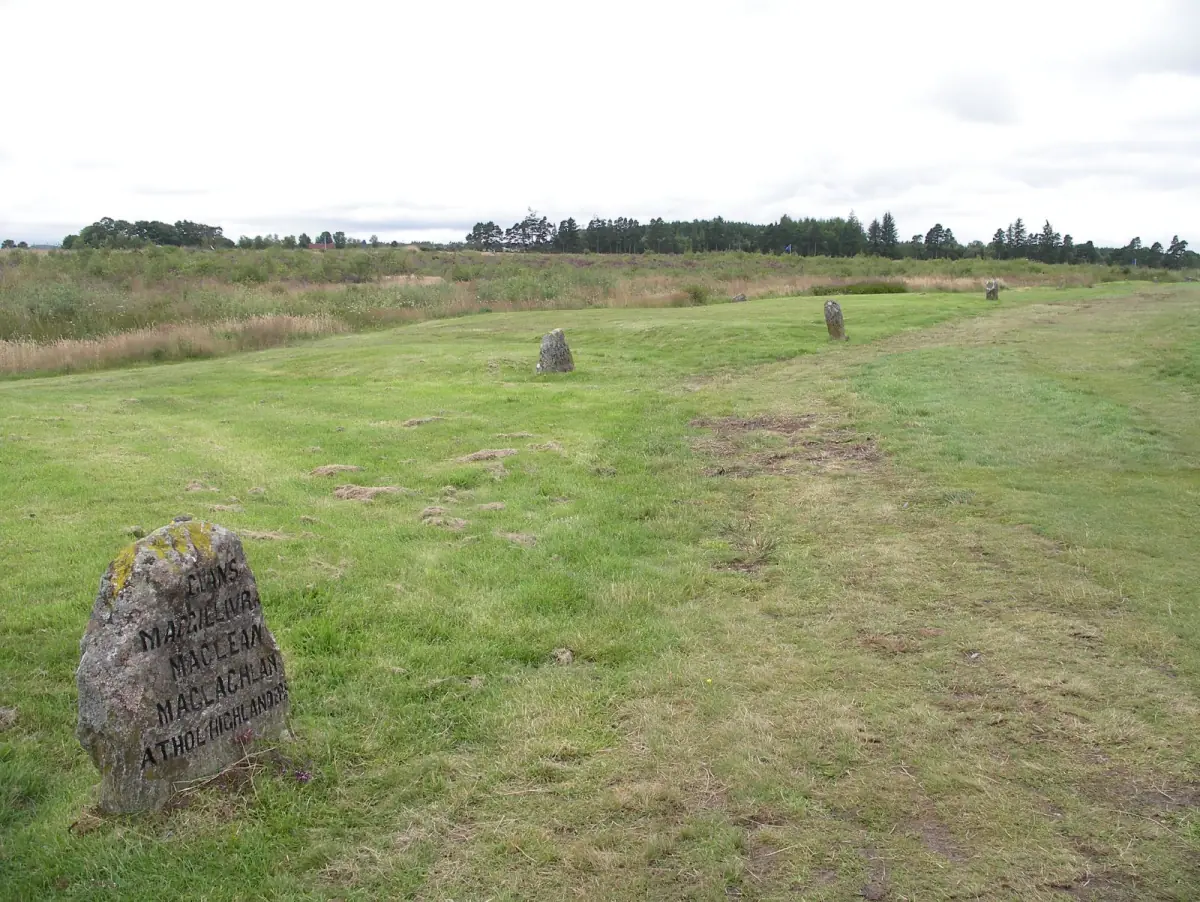
The visitor centre guide covers museum admission and seasonal opening hours. For the field itself, the history and memorial walk explains the fighting lines, cairn and clan markers. Those battlefield markers were erected in 1881 and belong to later remembrance; they are different in date and purpose from Clava's prehistoric burial monuments.
The three-day route from Edinburgh
The three-day Highlands and Skye tour starts at Burns Monument on Regent Road in Edinburgh and visits Clava Cairns and Culloden on day three. Transport in an air-conditioned vehicle, a driver-guide, live commentary and photo stops are included. Choose this format for a wider journey starting in Edinburgh, rather than for a local walk around the stones.
Two nights in Inverness must be booked separately, and food and drinks are extra. An optional Loch Ness boat cruise on day three is also separate. Keep those overnight arrangements alongside the tour booking so the full trip is accounted for. For local organised routes, compare the day trips serving Culloden instead of fitting a three-day departure into a single day.
Outlander interest and prehistoric history
Clava Cairns should be understood through its Bronze Age history when Outlander forms part of a visitor's interest in the area. Keep the novels and television story separate from the dating and use of the monuments. Fictional characters provide a literary context for a journey, rather than evidence about who built or used these cairns.
A useful way to structure the visit is to begin with the three large cairns, consider the later reuse, then relate the stones to those different phases. At Culloden, change historical focus again to the armies, battle and subsequent memorials. Carrying that distinction through the day gives each place its own story, without making the prehistoric site part of the battlefield's burial ground.
Questions about visiting Clava Cairns
How much does visiting Clava Cairns cost?
Entry to Clava Cairns is free for adults and children, and the site is open throughout the year. Plan the approach separately from Culloden's museum visit and parking. A combined day involves different places with different arrangements, so the cairns' free admission is only one part of organising the outing.
How old are the cairns?
Clava Cairns dates to around 2000 BC, when the three large cairns were built. The site was used again roughly 1,000 years later, with smaller additions. Its burial monuments belong to prehistory and should be considered separately from Culloden's battlefield graves and nineteenth-century memorial markers nearby.
When does the Edinburgh tour visit Clava Cairns?
Day three of the three-day Highlands and Skye route includes Clava Cairns and Culloden. The tour starts at Burns Monument on Regent Road in Edinburgh and includes transport and a driver-guide. Travellers book their own two nights in Inverness; food, drinks and the optional Loch Ness cruise are extra.